

Skip to content

INCI - Polyglutamic Acid

Polyglutamic Acid

Polyglutamic Acid

Polyglutamic Acid is the humectant people usually discover after hyaluronic acid. It is a water-binding polymer that forms a soft film on the skin surface, helping hydration feel plush and longer-lasting. In Helloskin, it appears in the overnight hydration context where HA variants, peptides and barrier support all need to work together.

Quick scan

What Polyglutamic Acid is doing in the formula.

Polyglutamic Acid is a polymer made from glutamic acid units. In skincare, it acts as a humectant and film-former, binding water at the surface and helping the product feel plush.

💦 Surface water binding

Helps hold hydration at the skin surface.

🧴 Soft film feel

Creates a cushioned finish that works well in overnight formulas.

🌙 Overnight logic

Makes sense where the formula needs hydration to last for hours.

What it does

The plush surface humectant.

What it does The plush surface humectant.

Polyglutamic Acid binds water at the surface and helps the formula feel cushioned.

Polyglutamic Acid is often compared with hyaluronic acid because both bind water. The difference is behaviour. PGA forms more of a surface film, which helps the product feel plush and helps hydration stay around longer.

That surface role is not a bad thing. Skin needs surface hydration too, especially in overnight formulas where the product is expected to sit comfortably for hours. PGA helps create that soft, hydrated finish without needing the formula to feel greasy.

In a multi-humectant formula, this is exactly the kind of ingredient that rounds things out. HA variants bind water in different ways. Polyglutamic Acid adds a film-forming hydration layer on top.

HA hydrates. PGA helps the hydration feel plush.
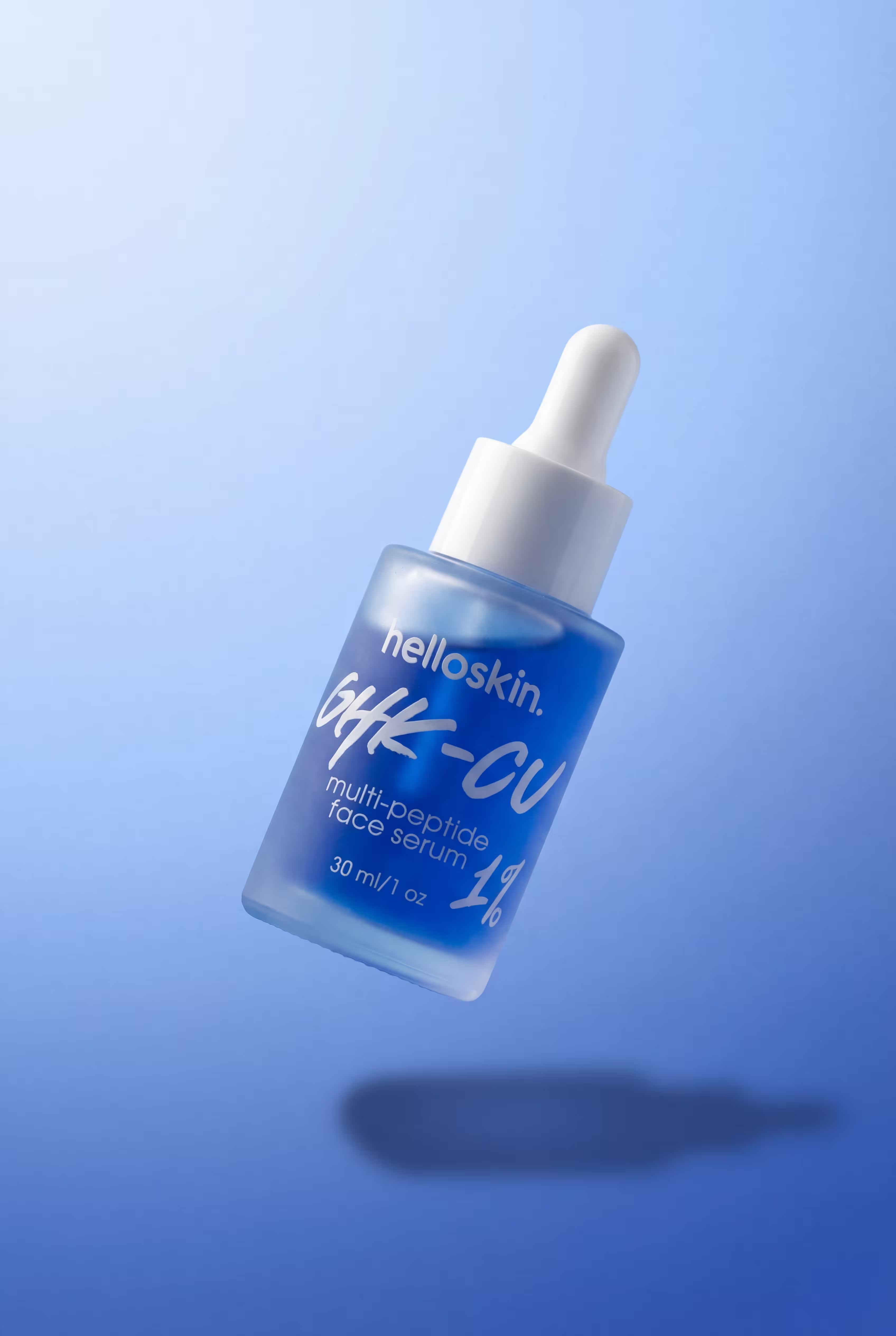
Comparison

Polyglutamic Acid versus Hyaluronic Acid.

Comparison Polyglutamic Acid versus Hyaluronic Acid.

PGA is a companion to HA, not a replacement.

The skincare internet loves turning ingredients into fights. PGA versus HA is not a useful fight. They do different jobs. HA comes in different molecular weights and salts for layered water binding. PGA sits more at the surface and helps reduce the feeling of water disappearing from the formula too quickly.

The best hydration formulas use the right combination, not one winner.

Not everything needs a winner. Some ingredients are better as a team.

How to use it

Use it where you want lasting hydration.

How to use it Use it where you want lasting hydration.

Polyglutamic Acid works best in leave-on products with moisturising support.

Use the product as directed and avoid thinking of PGA as a standalone miracle. It needs the rest of the formula: water, humectants, barrier support and a comfortable finish.

If your skin is dehydrated, PGA can be useful, but the routine still matters. Cleanse gently, apply the active or hydration product, then seal if needed.

Hydration is a system, not one ingredient.

Pairing

Pairs with HA, ceramides and peptides.

Pairing Pairs with HA, ceramides and peptides.

PGA makes sense beside HA variants and barrier-support ingredients.

Polyglutamic Acid is a great example of a support ingredient that makes a formula feel more expensive and more wearable. It is not trying to be the hero. It is making the hydration experience better.

Sometimes the support ingredient is the texture upgrade.

Verified appearances

Where Polyglutamic Acid appears in Helloskin.

Verified appearances Where Polyglutamic Acid appears in Helloskin.

Polyglutamic Acid has 1 verified Helloskin product appearance(s) in the April 2026 matrix.

This page uses the verified Helloskin ingredient-product matrix as the source of truth. helloskin GHK-Cu Multi-Peptide Overnight Mask lists Polyglutamic Acid at position 16 of 39.

That matters because these pages are not guessing from marketing copy. INCI position gives context: higher positions usually mean a more central formula role, while lower positions usually mean supporting or structural context. Both can be useful when the page explains the role honestly.

For this ingredient, the important job is to read the ingredient inside the product architecture, not as a loose buzzword.

Position matters. Context matters more.

INCI snapshot

The label view.

Article + FAQPage + DefinedTerm. Product appearances sourced from verified April 2026 ingredient-product matrix.

INCI name

Polyglutamic Acid

Common name

Polyglutamic Acid

Function

Surface humectant polymer

Pregnancy profile

Generally routine-friendly; confirm if unsure

Vegan

Yes

FAQ

Polyglutamic Acid questions, answered.

Short, answer-first responses for shoppers, search engines and AI summaries.

What is Polyglutamic Acid?

Polyglutamic Acid is a polymer made from glutamic acid units. In skincare, it acts as a humectant and film-former, binding water at the surface and helping the product feel plush.

What does Polyglutamic Acid do in skincare?

Polyglutamic Acid is a water-binding polymer used in skincare for surface hydration and a smoother, more cushioned skin feel. It forms a film on the skin that helps reduce water loss from the surface and pairs well with hyaluronic acid. Helloskin uses it in an overnight formula context as part of a deeper hydration architecture.

Which Helloskin products contain Polyglutamic Acid?

The product module on this page uses the verified Helloskin ingredient matrix. Some appearances may be in products that are not live yet, so unavailable products are explained in copy but not shown as clickable product cards until they exist.

Is Polyglutamic Acid a hero ingredient or a supporting ingredient?

On this page it is framed as Surface humectant polymer. The formula context section explains whether the ingredient is central, supportive or structural in each product.

Can I use Polyglutamic Acid every day?

Use the Helloskin product that contains it according to that product's directions. Most support ingredients are designed for regular use, but strong active formulas should still be introduced gradually if your skin is reactive.

Can I layer Polyglutamic Acid with Vitamin C?

Usually yes when the full formula is built for it, but do not stack products just because the ingredients sound compatible. Use one active product at a time if your skin is sensitive.

Can I layer Polyglutamic Acid with retinol?

It depends on the product and your tolerance. Hydration and barrier-support ingredients usually pair well with retinoids, but brightening derivatives and strong actives should be layered carefully.

Is Polyglutamic Acid pregnancy safe?

This page gives cosmetic ingredient context only. If you are pregnant, breastfeeding or under medical care, check your routine with your healthcare provider before starting new active products.

Is Polyglutamic Acid vegan?

The ingredient snapshot flags vegan status where relevant, but final verification should always be checked against the current formula record before publishing.

Why does INCI position matter for Polyglutamic Acid?

INCI position is one of the public clues customers have. It does not give an exact percentage, but it helps separate central formula architecture from low-level support or trace context.